
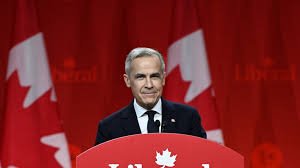
As global economic conditions continue to shift and international tensions rise – affecting prices, jobs, and household budgets – Canada’s new government is focused on what it can control here at home. Under the leadership of Prime Minister Mark Carney, the government is strengthening Canada’s economy by advancing trade and investment relationships abroad, including with partners such as the UAE and Qatar, while investing here in Canada to create good jobs with higher wages for Canadians. At the same time, immediate action is being taken to help people manage the rising cost of everyday necessities.
Canada’s plan is focused on moving the economy from reliance to resilience. While some of the long-term benefits of this transformation will take time to be fully felt, the government recognizes that many families need support now. That is why action has already been taken to lower everyday costs – including cutting taxes for 22 million Canadians, accelerating homebuilding, and protecting and expanding vital social programs that families rely on.
That is why yesterday, Prime Minister Mark Carney announced new, immediate measures to help Canadians afford groceries and everyday essentials and put more money back in people’s pockets-supporting families with the rising cost of food, rent, and household necessities. The most direct support comes through the new Canada Groceries and Essentials Benefit, which replaces the former GST Credit. Starting in July 2026, the benefit will increase by 25 per cent for five years, with an additional one-time top-up this year equivalent to a 50% increase.
What this means in real terms:
- A family of four will receive up to $1,890 in 2026, and about $1,400 per year for the following four years.
- A single individual will receive up to $950 this year, and about $700 per year going forward.
- More than 12 million Canadians – particularly low- and middle-income households – will receive this support automatically.
To help prevent grocery prices from rising further, the government is acting to reduce costs before they reach the checkout line by supporting businesses, farmers, and community organizations across Canada. This includes $500 million to help businesses manage supply-chain pressures without passing costs on to families, a new $150 million Food Security Fund to support small and medium-sized businesses and community-based food producers, and $20 million in additional funding for food banks and local food organizations so they can provide more nutritious food to families in need. Looking ahead, the government will also develop a National Food Security Strategy focused on keeping food affordable, strengthening domestic food production, improving price transparency in stores, and ensuring fair competition in food supply chains.
These actions build on earlier measures to reduce everyday costs, including middle-class tax cuts, lower fuel costs, permanent support for school food programs, and steps to ensure benefits are delivered automatically to those who qualify. The goal of our federal Liberal government is clear: to help Canadians manage rising costs today while building a stronger, more resilient economy for the future – so Canadian families can worry less about essentials and have greater confidence in what comes next.
Please find the official news release from the Prime Minister here, for further details.
//

















Post your comments